





Immigration Need to Know
In light of recent events on the East Side, including reports of ICE presence at ESABA member businesses, we are posting this update for business owners. For info on the Jan 23rd Shutdown by community, click here.

ESABA is not a law firm and cannot provide legal advice. The information below is general information only. Every situation is different, and business owners should consult their own attorney if they have questions about their specific circumstances. The City of Saint Paul has compiled immigration resources on its website, including materials for businesses: A Guide for Employers: What to Do if Immigration Comes to Your Workplace.
We appreciate the business owners who responded with extraordinary calm under pressure. Staying calm, slowing the interaction down, and routing questions to a designated decision maker can help keep everyone safe.
POSTER: We have posters (pictured right) that say “WE ARE FAMILY: Stand with Immigrants" that you can pick up to post on your window to show support in light of all that's been happening to our community. You can pick up a poster from Carl at Storehouse Grocers (781 7th St E, St Paul, MN 55106) or you can email info@esaba.org for a poster.
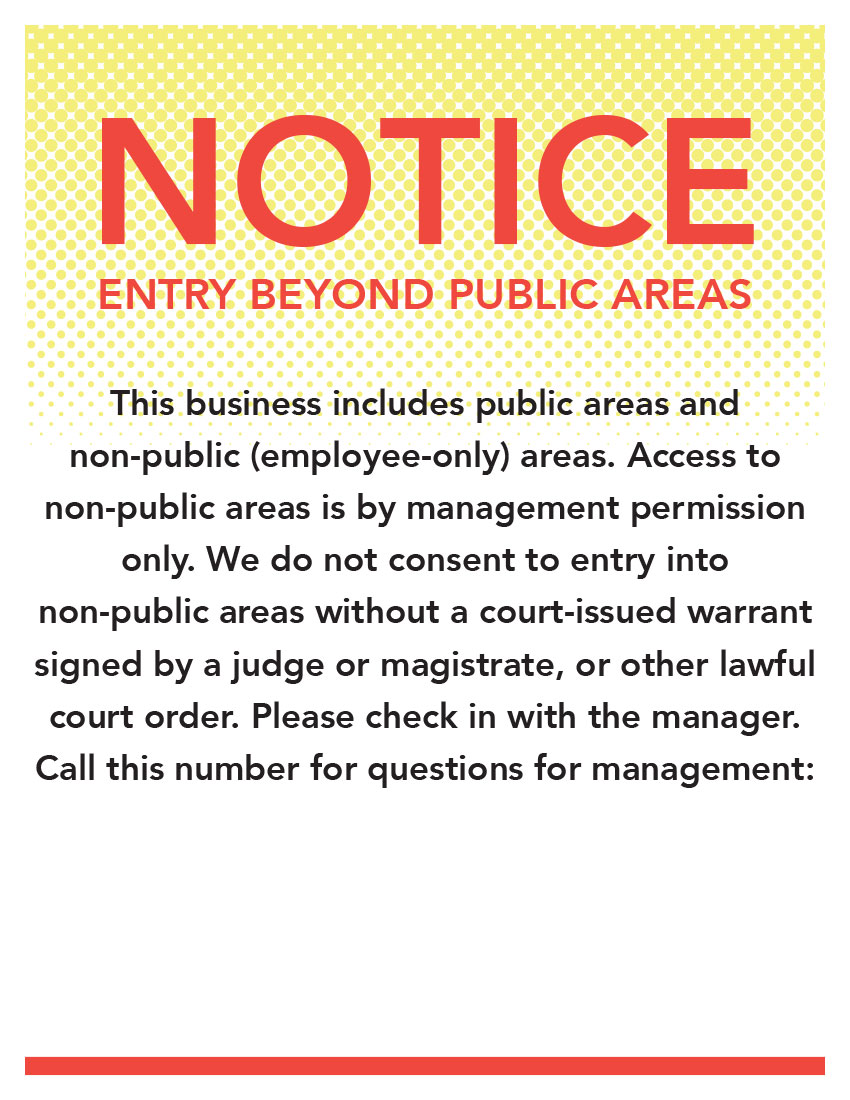
Public Areas and Non‑Public Areas:
Many workplaces include areas open to the public (such as a retail floor, lobby, or waiting area) as well as non‑public areas (such as behind‑the‑counter space, employee break rooms, storage areas, and back offices). In general, ICE may enter public areas without the business’s permission. Entry into non‑public areas generally requires the business’s permission, a subpoena, or a court‑issued warrant signed by a judge. Businesses can reduce confusion by clearly marking employee‑only areas and keeping those areas closed to public access.
If ICE or other federal agents come to your workplace: You can ask agents for their name, agency, and identification. You can ask what they are requesting and ask to see any paperwork they rely on. You can ask agents to wait in a public area while you contact the manager and your attorney. Do not provide false information and do not interfere physically, but you are not required to volunteer information; you may state that you are contacting management and counsel before responding.
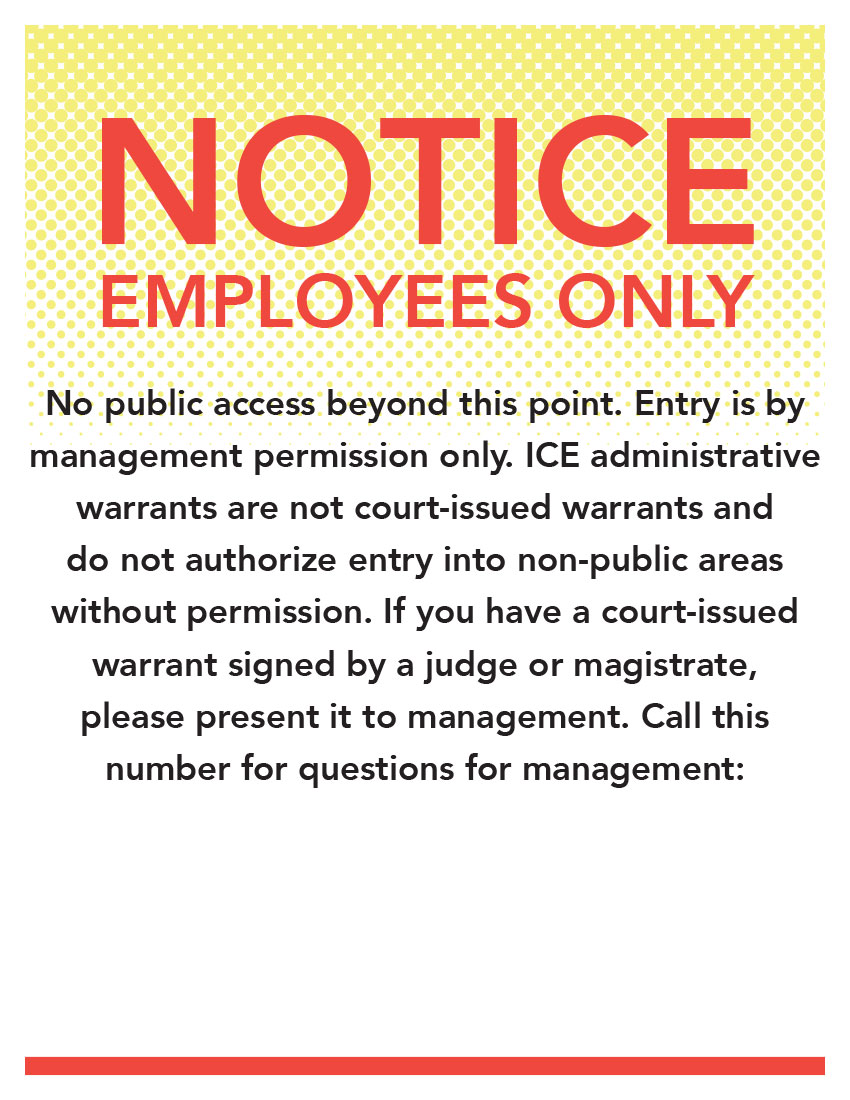
Warrants and Paperwork:
A court‑issued warrant (sometimes called a “judicial warrant” See that here.) is issued by a court and signed by a judge or magistrate. ICE may also present an administrative immigration warrant, which is not issued by a court. Administrative warrants generally do not authorize entry into non‑public areas without consent. If agents present paperwork, ask to review it and contact your attorney promptly.
Form I‑9 audits and document requests:
ICE may come to a workplace for different reasons, including compliance activities like a Form I‑9 audit or other document requests. These situations are different from a request to enter non‑public areas, and they often have deadlines and specific legal requirements. If you receive any written notice or subpoena, contact your attorney immediately.
Public Areas and Non‑Public Areas (click to download):
Resource:
Please review the NILC employer guide linked through the City of Saint Paul’s immigration resource page for additional general information on preparing a workplace plan and responding to common scenarios. National Immigration Law Center.
We also want to hear from ESABA members about encounters so we can coordinate training and resources: info@esaba.org.
Now Viewing: All
‐
Sorted by: Name